
The Thrill of Uncertainty
The allure of casino games often begins with the thrill of uncertainty. Players are drawn to the unpredictable nature of games like slots, blackjack, and roulette, where outcomes are never guaranteed. This unpredictability engages the player’s emotions, creating excitement with every spin of the wheel or flip of a card. The anticipation of winning taps into the brain’s reward centers, producing a rush akin to other pleasurable activities, which can make players want to return for more, especially when exploring a new online casino that offers unique experiences. The emotional high experienced in these moments is similar to what one might feel during extreme sports or other high-stakes activities, further enhancing the appeal of casino games.
The excitement is further amplified by the possibility of large payouts. Stories of individuals striking it rich in casinos serve as a constant reminder of the potential rewards. Even if the odds are stacked against players, the dream of a significant win can overshadow the reality of regular losses. This dream fuels a cycle of hope and engagement, making it challenging for some to walk away from the gaming table. The allure of a jackpot becomes a powerful motivator, often leading players to gamble beyond their means in pursuit of that elusive fortune.
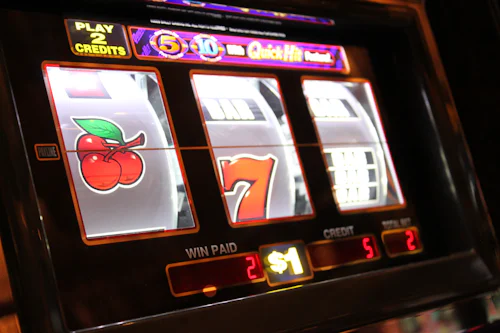
Moreover, the environment of casinos enhances this thrill. The flashing lights, sounds of coins, and the overall atmosphere contribute to the excitement. These sensory experiences are carefully designed to keep players engrossed, reinforcing their desire to continue playing. As players immerse themselves in this stimulating environment, they become more susceptible to the addictive nature of gambling, as each moment spent in the casino feels charged with potential. This sensory overload can create a euphoric state, making it difficult for individuals to recognize when they should stop.
Psychological Triggers and Reinforcement
Casino games are not just about luck; they are designed with psychological triggers that enhance their addictive qualities. One primary factor is the concept of variable reinforcement, where players receive rewards at unpredictable intervals. This intermittent reinforcement creates a sense of anticipation and excitement—a player may lose several times but then hit a jackpot, leading to an increased desire to continue playing. This pattern mirrors how other forms of addiction can develop, as the unpredictability keeps players coming back. The brain’s release of dopamine during these moments reinforces the behavior, creating a feedback loop that encourages repeated gambling.
Additionally, many casino games are steeped in a ‘near-miss’ phenomenon. Players often experience close calls, such as almost winning a round or having just one card short of a win. These near-misses can be just as rewarding psychologically, encouraging players to keep trying. The brain interprets these moments as evidence of potential success, which can lead to further engagement with the game. This cycle of hope and frustration is a key factor in the addictive nature of casino games, as it fosters a belief that success is just around the corner, driving players to continue their efforts.
Lastly, social interaction plays a vital role in reinforcing habits. Many games create opportunities for socialization, whether through live dealer games or in-person interactions at a casino. These communal experiences can enhance the enjoyment and engagement of the players, making it harder to walk away. The psychological reinforcement of both the game and the social aspect contributes to a cycle of addictive behavior over time, blurring the lines between entertainment and compulsion. The camaraderie built among players can further entrench them in their gaming habits, as they share experiences and celebrate wins together.
Gamification and Engagement Techniques
In recent years, gamification has become a prevalent strategy within casino games to attract and retain players. This method incorporates elements of game design in non-game contexts, making the gaming experience more engaging. Features like leveling up, achievements, and rewards for consecutive plays encourage players to keep returning, as they seek to complete challenges or earn badges. Such mechanics ensure that players remain invested in their gaming experience, often leading to increased spending. The introduction of leaderboards and competitions can further enhance this dynamic, as players strive to outdo one another and achieve higher rankings.
Furthermore, many games now incorporate interactive features that enhance player engagement. Options for personalizing gameplay, such as creating a unique avatar or customizing the gaming interface, allow players to build a connection to the game that extends beyond mere gambling. This sense of ownership can increase player loyalty, as they become more emotionally attached to their experience. The more invested players feel, the less likely they are to disengage, heightening the potential for addiction. This emotional investment can lead players to prioritize their gaming experiences over other aspects of their lives, further reinforcing their habits.
Promotions and loyalty programs are also common practices that casinos use to build engagement. These programs reward players for their loyalty with bonuses, free spins, or cash back on losses. This strategy effectively encourages repeat play and can further entrench players in their gaming habits. As players chase these rewards, they may find themselves spending more time and money at the casino, reinforcing their addictive behaviors through these enticing offers. The design of these promotions often capitalizes on the thrill of competition and achievement, creating an environment where players feel compelled to keep playing to reap the benefits.
The Role of Accessibility in Addiction
Accessibility is another significant factor contributing to the addiction potential of casino games. With the advent of online gambling, players have more access than ever to a wide variety of games at any time. This convenience eliminates the need to travel to a physical location, allowing individuals to indulge in gambling from the comfort of their homes. As a result, the barriers to entry for engaging with casino games are significantly lowered, making it easy for players to gamble frequently. This ease of access can lead to impulsive decisions, where players may engage in gambling without fully contemplating the consequences.

Moreover, the rise of mobile gaming has created an on-the-go gambling culture. Many players now have the ability to gamble at their fingertips, whether on a commute or during breaks. This constant availability can blur the lines between casual play and compulsive behavior, making it even easier for individuals to fall into the cycle of addiction. The convenience of mobile platforms often leads to increased gambling frequency, as players can easily access their favorite games whenever they desire. This change in behavior can significantly alter how individuals interact with gambling, making it a more integral part of their daily routines.
Physical casinos also capitalize on accessibility by creating environments designed for comfort and extended play. Features such as free drinks, comfortable seating, and non-stop entertainment ensure that players remain on-site longer. These strategies are deliberately crafted to draw players into a cycle of gambling, where engaging with the games becomes synonymous with socializing and leisure. The physical layout of casinos often encourages players to stay longer, with strategically placed games and amenities that create a sense of excitement and urgency. Consequently, this accessibility can lead to increased spending and deeper entrenchment in gambling habits.
Your Resource for Safe Gambling
Understanding the elements that contribute to the addictive nature of casino games is crucial for ensuring that gambling remains a form of entertainment rather than a compulsion. If you or someone you know is grappling with gambling addiction, it is essential to seek resources and support systems. Responsible gambling practices can help mitigate the risks associated with casino games and promote healthier habits. Awareness of personal limits and recognizing signs of addiction are vital steps in maintaining a balanced approach to gaming.
Many organizations and websites offer information, tools, and support for individuals looking to manage their gambling habits. These resources can include self-exclusion programs, tips on setting limits, and access to professional help. Staying informed and recognizing the signs of problematic gambling can empower players to make better choices and regain control over their gaming experiences. By fostering a culture of responsible gambling, players can enjoy the thrill of casino games while minimizing the risks associated with excessive play.
Ultimately, while casino games can offer thrilling entertainment, it is vital to approach them with caution and mindfulness. Building awareness around the factors that contribute to gambling addiction can help players enjoy their gaming experiences responsibly and avoid pitfalls that may lead to compulsive behavior. Remember, there is always help available for those who seek it, and understanding the mechanics of addiction can play a crucial role in fostering a healthy relationship with gambling.